Mapping Player Journeys Through Reward Systems and Device-Based Payment Networks
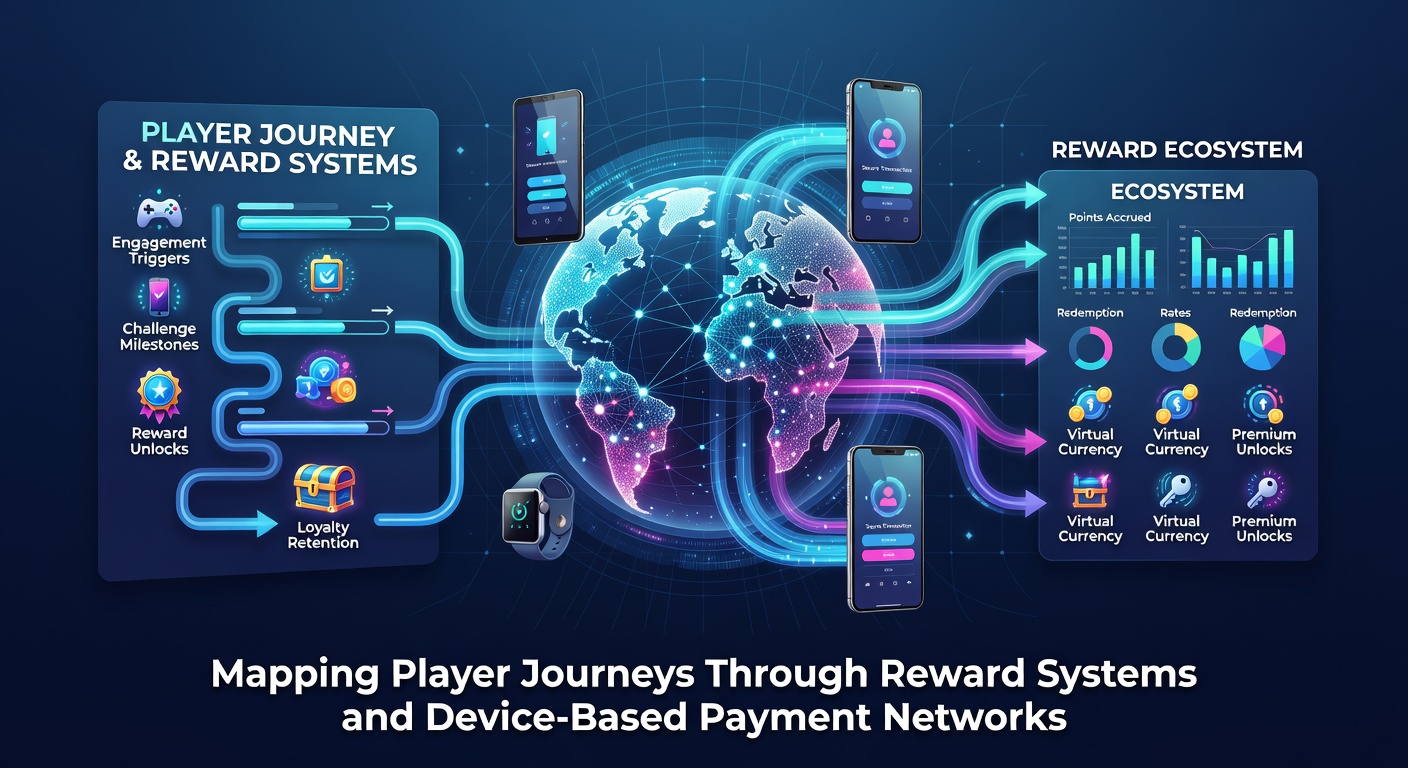
Player journeys in digital gaming environments trace a path from initial signup through repeated engagement and eventual reward redemption, with device-based payment networks serving as the connective tissue at each stage. Researchers track these sequences by logging touchpoints where reward systems interact with payment protocols on smartphones and tablets. Data from the American Gaming Association shows that mobile transactions accounted for 68 percent of all gaming deposits in the first quarter of 2026, a figure that continues to climb as operators refine app-based interfaces.
Core Components of Reward Systems
Reward systems operate through layered structures that assign points for play volume, time spent, and specific game categories. These points convert into tiered benefits such as cashback percentages, free rounds, or exclusive event access. Observers note that integration with payment networks allows automatic crediting of rewards once a deposit clears or a withdrawal processes, reducing manual steps for both players and operators. Studies indicate that seamless linkage between loyalty ledgers and device wallets increases repeat deposit frequency by measurable margins across multiple jurisdictions.
Device-Based Payment Networks in Practice
Device-based payment networks rely on tokenization, biometric authentication, and real-time settlement to move funds between player accounts and gaming platforms. Mobile wallets store encrypted credentials that trigger instant transfers when a user selects a deposit amount inside an app. In May 2026, several major operators expanded support for near-field communication payments and in-app billing tied directly to carrier accounts, creating additional routes that bypass traditional card networks. Those who monitor transaction logs report that average settlement times for these methods now fall below three seconds on optimized 5G connections.
Mapping the Journey Stages
The mapping process begins at acquisition, where targeted reward offers appear inside payment flows to encourage first deposits. Engagement follows as players accumulate points through in-game actions that simultaneously update payment histories. Retention phases activate when algorithms detect spending patterns and surface personalized incentives funded through the same device wallet used for deposits. Redemption marks the final visible step, yet backend reconciliation continues as operators adjust risk models based on completed cycles. Experts have observed that operators who visualize these stages in unified dashboards identify friction points faster, particularly where reward eligibility checks delay payment confirmations.
One documented case involved a European operator that synchronized its loyalty engine with three different mobile payment providers. Transaction records revealed that players who received instant point bonuses after each deposit maintained active sessions 22 percent longer than those who waited for batch updates. The adjustment required API-level changes so that payment confirmations triggered immediate reward calculations without additional user input.
Data Trends and Integration Patterns
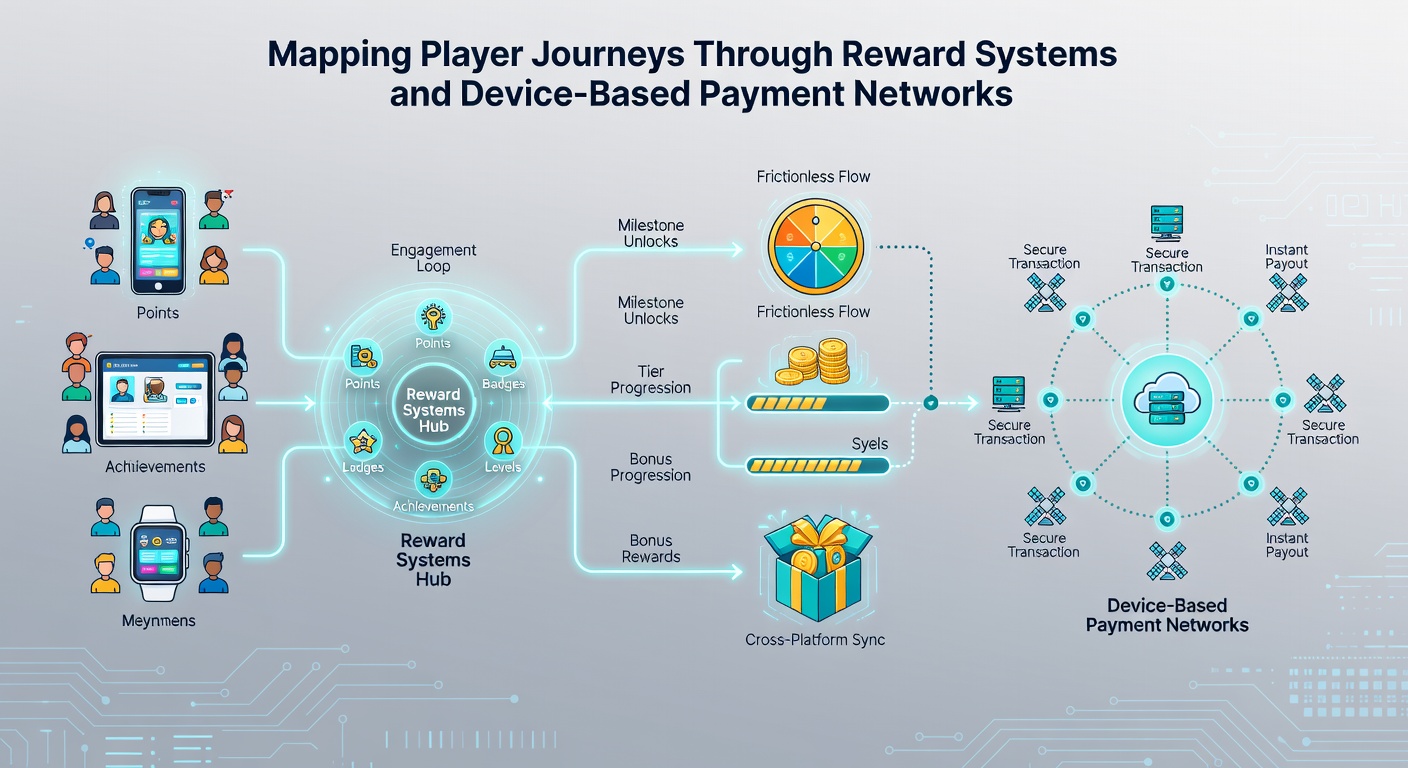
Figures released in early 2026 by the European Gaming and Betting Association highlight a 41 percent year-over-year rise in cross-border mobile payments linked to loyalty programs. Analysts attribute part of this growth to standardized token formats that allow reward balances to travel with the payment credential across devices. Regulatory frameworks in several Canadian provinces now require operators to maintain auditable logs of every reward issuance that coincides with a device-initiated transfer, ensuring traceability from deposit to redemption.
Payment networks also influence reward velocity. When instant settlement occurs, points post to player accounts within the same session, enabling immediate use on subsequent games. Slower methods, by contrast, create gaps that can interrupt momentum. Those who study player behavior note that these gaps correlate with higher abandonment rates at the reward redemption stage, prompting operators to prioritize faster rails even when fees are marginally higher.
Conclusion
Mapping player journeys through reward systems and device-based payment networks reveals interconnected sequences where each transaction carries implications for loyalty progression and retention metrics. Continued refinement of these mappings depends on accurate data exchange between payment providers and gaming platforms. As device capabilities expand and regulatory expectations evolve, the precision of these maps will determine how effectively operators guide players from first interaction to sustained engagement.