31 May 2026
Spotting the Links Between Game Preferences and Transaction Speeds in App-Based Gambling Platforms
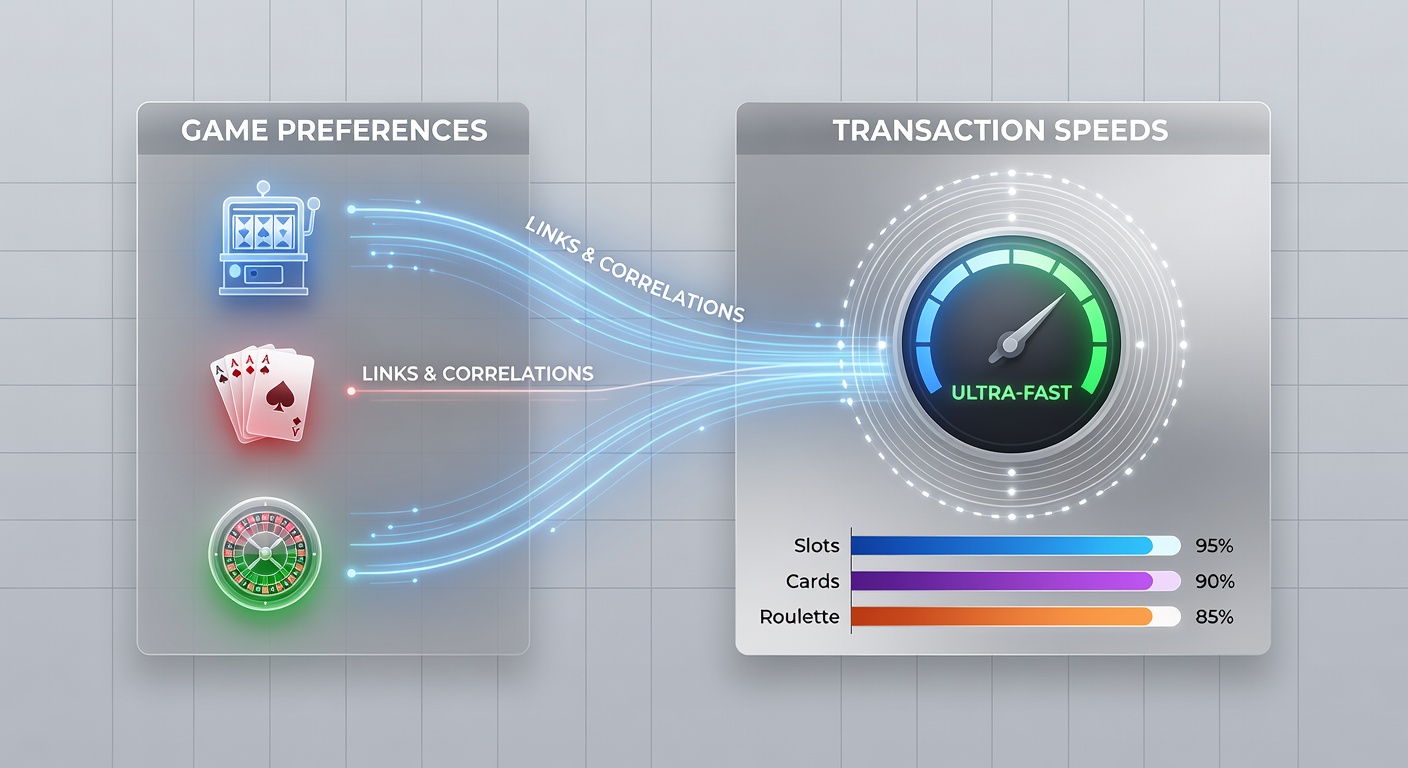
App-based gambling platforms track detailed patterns in how players select games and manage funds, and researchers continue to examine connections between those preferences and the pace of deposits or withdrawals. Data from multiple operators shows that users drawn to high-volatility slots often initiate smaller, more frequent transactions, while those favoring table games tend toward larger, less frequent movements that align with session lengths extending past several hours.
Patterns Emerging Across Game Categories
Observers note that slot enthusiasts frequently rely on instant payment methods such as digital wallets, and platform logs indicate average deposit completion times under thirty seconds for these users during peak evening hours. In contrast, live dealer participants demonstrate higher usage of bank transfers, with processing windows stretching between two and four hours according to aggregated reports from North American and Australian markets. These differences appear tied to session duration rather than random choice, because slot sessions average fifteen to twenty-five minutes while live tables hold attention for longer stretches.
Studies conducted through university partnerships in Canada have mapped transaction velocity against game type across thousands of accounts, revealing that sports bettors cluster their activity around event schedules and complete withdrawals within one business day when using prepaid card options. The same datasets highlight how roulette and blackjack players show steadier withdrawal requests spread across weekdays, often coinciding with bonus clearing requirements that platforms enforce uniformly.
Regional Data Points From May 2026
By May 2026 several state-level monitoring systems in the United States reported rising volumes of in-app transactions tied to mobile-only promotions, and figures released by the New Jersey Division of Gaming Enforcement indicated that slot-driven deposits accounted for sixty-two percent of all mobile inflows during the prior quarter. Operators in Pennsylvania recorded similar distributions, with live casino traffic correlating to slower but larger average withdrawals processed through ACH rails. These statistics align with earlier findings from European operators who observed comparable splits when segmenting users by primary game selection.
Technical Factors Influencing Speed
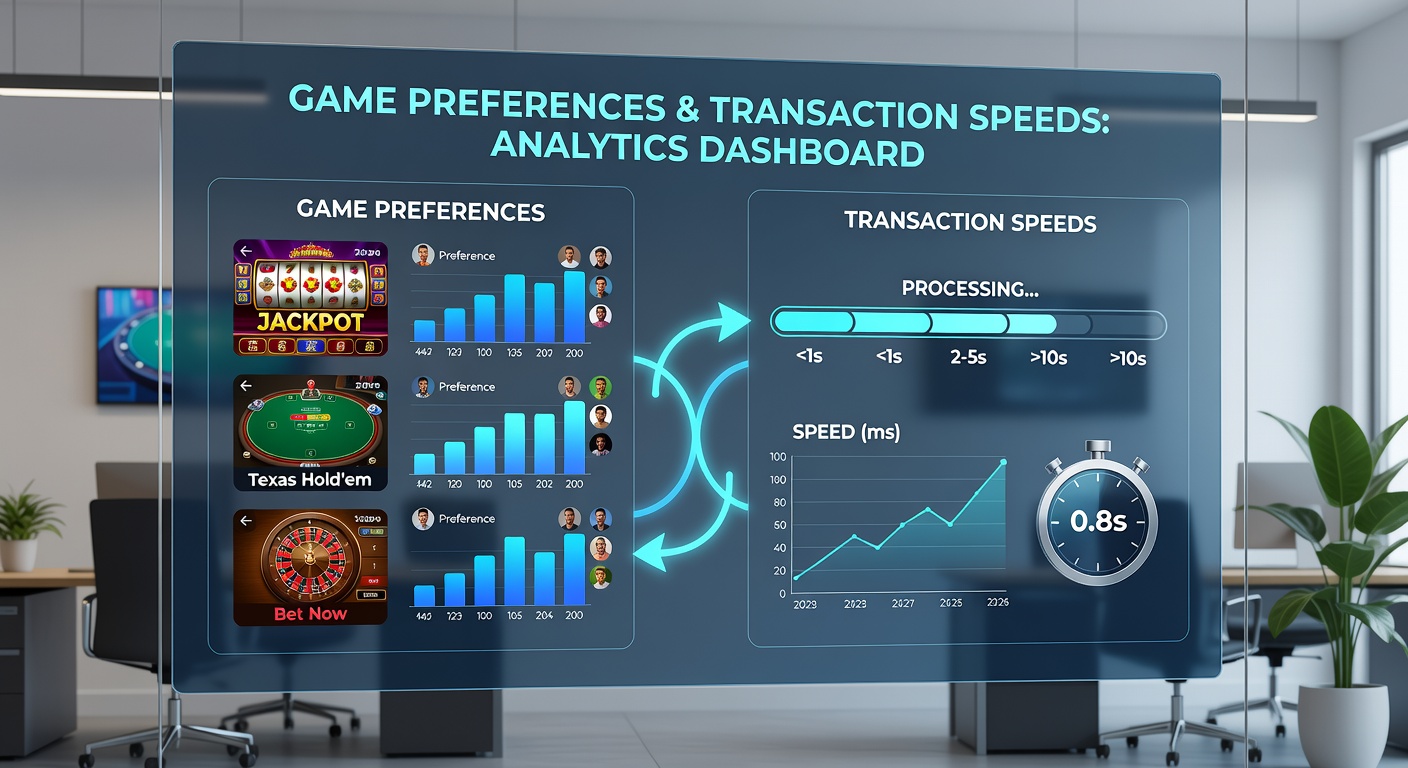
Payment rails embedded in gambling apps incorporate risk-scoring algorithms that adjust verification steps based on game volatility and historical player behavior, and experts at industry research groups have documented how these systems accelerate approvals for low-stakes slot users while applying additional checks to high-limit table game accounts. One study from an Australian research institution found that integrating biometric confirmation reduced average transaction time by forty percent across all categories, yet the greatest gains appeared among users whose play centered on progressive jackpot titles.
Platform engineers continue refining these systems, and reports from trade associations show that real-time settlement pilots launched in early 2026 cut withdrawal windows for sports bettors to under ninety minutes in select jurisdictions. Meanwhile, players who shift between game types within a single session encounter hybrid processing rules that blend instant and scheduled options depending on the final game selected before cash-out.
Player Behavior and Platform Design
Those who have examined large-scale datasets note that reward structures attached to specific games can steer transaction timing, because slot-focused loyalty tiers often release credits instantly while live dealer milestones unlock after longer verification windows. This design choice matches observed preferences, since slot players return more frequently and expect seamless top-ups, whereas table game participants plan larger bankroll movements around scheduled sessions.
Regulatory filings from multiple Canadian provinces detail how operators must log these correlations to meet responsible gaming standards, and the resulting transparency has allowed analysts to confirm that game preference remains a stronger predictor of transaction speed than demographic variables alone. Similar requirements now appear in several U.S. state frameworks updated during spring 2026.
Conclusion
Connections between preferred games and transaction speeds continue to shape how app-based platforms configure payment flows, and ongoing data collection across regions provides clearer visibility into these relationships. Operators adjust processing parameters accordingly, while researchers refine models that link game volatility, session length, and settlement velocity. The patterns observed through May 2026 underscore how user choice influences operational design without requiring subjective interpretation.